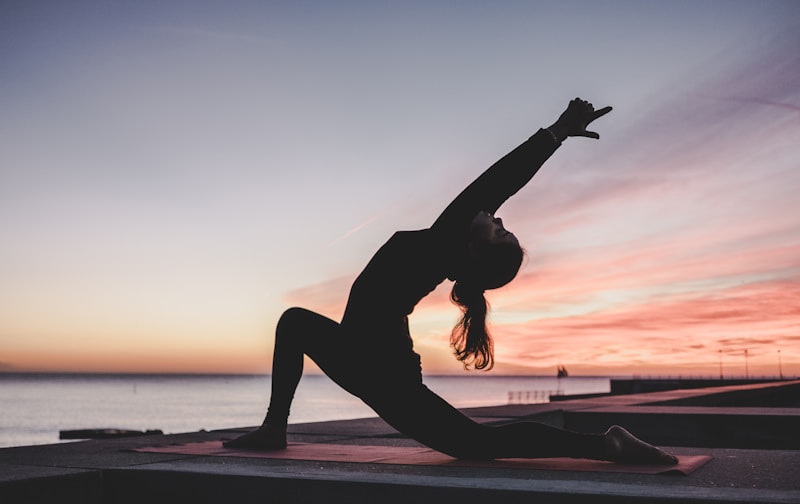
Ayurvedic Yoga & Pranayama

Discover sun salutations, breathing techniques, and dosha-specific asanas that integrate the wisdom of Ayurveda with yoga for complete physical and mental well-being.

Yoga and pranayama practice

Yoga and Ayurveda: Sister Sciences

Yoga and Ayurveda are two inseparable sister sciences that originated from the same Vedic tradition. While Ayurveda focuses on healing the body and balancing the doshas, yoga provides the spiritual and physical practices that support this healing process.

In the Ayurvedic approach to yoga, asanas (postures) and pranayama (breathing techniques) are selected based on your dosha type. What works for a Vata person may aggravate a Pitta person. This personalized approach makes yoga more therapeutic and effective.

Pranayama — the science of breath control — directly influences prana (life force energy). Different breathing techniques can heat or cool the body, stimulate or calm the mind, making pranayama a powerful tool for dosha balancing.

Yoga & Pranayama Practices

Therapeutic techniques tailored to balance each dosha type

Sun Salutations (Surya Namaskar)

A sequence of 12 postures that warms the body, builds strength, and improves circulation. Performed at sunrise facing east, it activates solar energy and balances all three doshas.

Nadi Shodhana

Alternate nostril breathing that balances the left and right hemispheres of the brain. Calms the nervous system, reduces anxiety, and is excellent for balancing Vata dosha.

Kapalabhati

Skull-shining breath — forceful exhalations that cleanse the respiratory system, energize the mind, and reduce Kapha congestion. Best practiced in the morning on an empty stomach.

Sheetali Pranayama

Cooling breath through a curled tongue. Reduces body heat, calms anger, and pacifies Pitta dosha. Excellent during summer or when feeling overheated and irritable.

Vata-Sothing Asanas

Forward bends, gentle twists, and grounding poses like Child's Pose, Mountain Pose, and Tree Pose. Slow, gentle movements with long holds calm the Vata mind.

Kapha-Stimulating Asanas

Energetic backbends, inversions, and dynamic flows like Sun Salutations. Fast-paced sequences with short holds invigorate Kapha and combat lethargy.

Our Experience

Teaching therapeutic yoga and pranayama with an Ayurvedic approach

22+
Years Teaching
15,000+
Students Trained
12
Surya Namaskar Steps
8
Pranayama Techniques

Yoga Knowledge

Explore the integration of Ayurveda and yoga for complete wellness

Sun salutation sequence

The Complete Guide to Surya Namaskar (Sun Salutations)

Surya Namaskar consists of 12 postures performed in a flowing sequence: Pranamasana (prayer pose), Hasta Padasana (hand to foot), Ashwa Sanchalanasana (equestrian), Dandasana (stick), Ashtanga Namaskara (eight parts), Bhujangasana (cobra), and more.

One complete round (both sides) takes about 3-4 minutes. Start with 3-5 rounds and build to 12. Practice at sunrise for maximum benefit. Surya Namaskar improves digestion, strengthens muscles, enhances flexibility, and boosts energy — a complete workout in itself.

Pranayama breathing

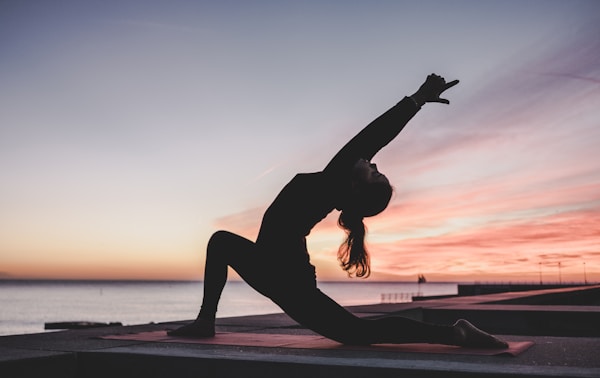
Pranayama Techniques for Each Dosha Type

Vata types benefit from Nadi Shodhana (alternate nostril breathing) and Bhramari (humming bee breath) — both calming and grounding. Practice slowly with gentle, deep breaths. Avoid rapid breathing techniques.

Pitta types should practice Sheetali (cooling breath) and Chandra Bhedana (moon-piercing breath) to reduce heat. Kapha types benefit from Kapalabhati (skull-shining breath) and Bhastrika (bellows breath) to stimulate energy and clear congestion. Always practice on an empty stomach, preferably in the morning.

Yoga for wellness

Building a Daily Yoga Routine with Ayurvedic Principles

An Ayurvedic yoga routine begins with early rising (before sunrise if possible). Start with tongue scraping and warm water with lemon. Begin your practice with 5-10 minutes of pranayama, followed by Sun Salutations to warm the body.

Then practice dosha-specific asanas for 15-20 minutes. End with 10 minutes of meditation in Savasana (corpse pose). Adjust the intensity and duration based on the season — lighter in summer, more vigorous in winter. Consistency is more important than duration; even 20 minutes daily yields significant benefits.

Start Your Yoga Journey

Connect with our experienced teachers for personalized yoga and pranayama guidance

Contact Information

Our certified yoga teachers can create a personalized practice tailored to your dosha, fitness level, and health goals.

Location

123 Wellness Street
Health District, City 12345

Phone

+1 (555) 123-4567

Email

info@yogapranayama.com

Hours

Monday - Friday: 9:00 AM - 6:00 PM
Saturday: 10:00 AM - 4:00 PM